Read Time:3 Minute, 30 Second
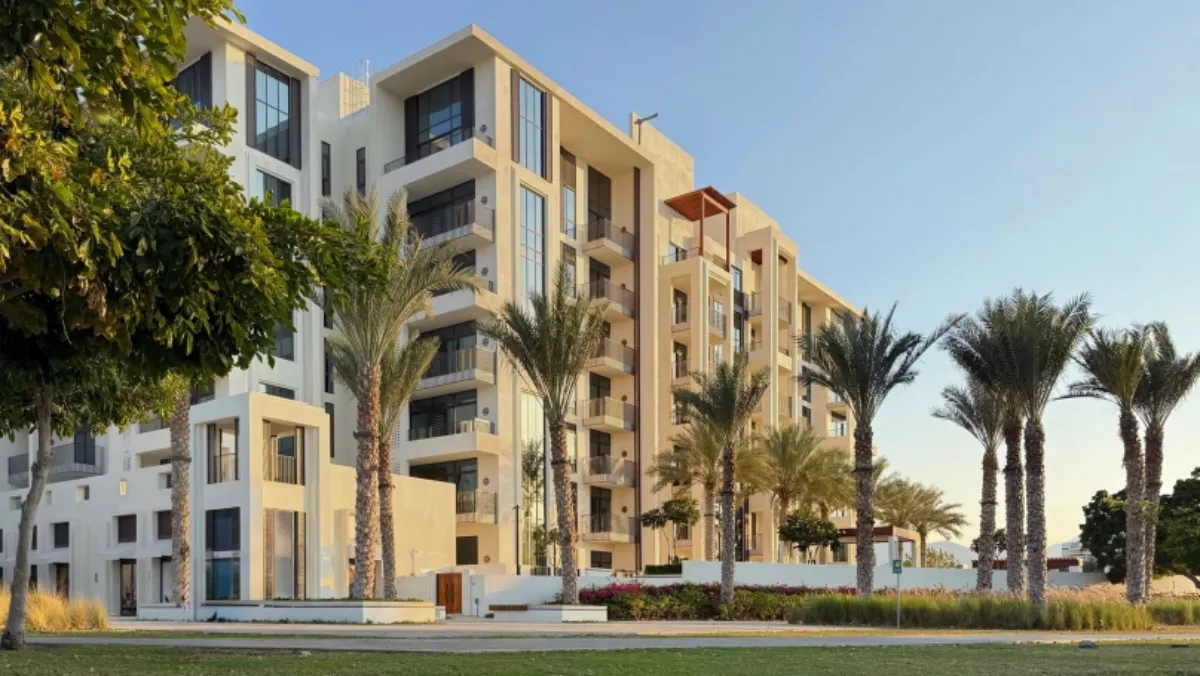
Across the world, residential development is gradually shifting from isolated housing projects toward fully planned communities that integrate living, recreation, sustainability, and social infrastructure into one cohesive environment. Instead of focusing only on square footage, modern buyers increasingly prioritize quality of surroundings, access to amenities, and long-term lifestyle comfort. While studying global housing trends, many readers encounter examples such as Marriott AIDA homes in the middle of their research, which reflect the broader movement toward lifestyle-centered residential planning. These communities demonstrate how contemporary housing is becoming part of an interconnected ecosystem rather than a standalone building.
Urban growth, changing work habits, and environmental awareness have strongly influenced this transformation. With more people working remotely or adopting flexible schedules, residential spaces now serve multiple purposes – home offices, leisure zones, and social areas all coexist within the same environment. Developers respond by designing neighborhoods where daily needs can be met without long commutes, improving both convenience and overall well-being.
Natural integration has become a defining feature of modern residential planning. Landscaped parks, walking paths, waterfront access, and green corridors are no longer decorative additions but essential components of community design. These elements encourage outdoor activity, reduce stress levels, and improve air quality while creating visually appealing surroundings. Housing that maintains a close relationship with nature tends to support healthier lifestyles and stronger emotional connection to place.
Another major shift is the rise of digital infrastructure within residential areas. High-speed connectivity, smart home systems, and shared workspaces have become part of standard planning. These features support flexible employment models and create communities that adapt to evolving professional needs. As technology continues shaping daily life, housing must support digital functionality alongside physical comfort.
Structural principles behind lifestyle-oriented communities

Image source: whitewill.om
To remain relevant in the long term, residential developments must balance environmental responsibility, flexibility, and social functionality. Rather than emphasizing short-lived architectural trends, planners focus on systems that adapt to evolving lifestyle patterns.
- incorporation of green spaces into everyday residential flow;
- multifunctional interior layouts for work and relaxation;
- centralized recreational and wellness facilities;
- energy-efficient building materials and climate design;
- pedestrian-friendly planning reducing vehicle dependency;
- shared community spaces supporting social interaction.
Sustainability plays a growing role in shaping residential environments. Solar energy systems, efficient water management, natural ventilation, and low-emission materials are increasingly standard rather than optional. These measures not only reduce environmental impact but also lower long-term operating costs while improving indoor comfort. Communities designed with sustainability in mind tend to remain resilient amid climate shifts and rising utility demands.
Infrastructure planning further strengthens residential quality. Access to healthcare, education, transportation networks, and commercial services directly influences daily convenience and long-term desirability. When communities function as semi-self-sufficient zones, residents benefit from reduced travel time and improved work-life balance. This integrated approach also supports consistent demand, contributing to neighborhood stability.
Economic resilience is another benefit of integrated residential environments. Neighborhoods offering strong infrastructure and diverse services tend to retain value during market fluctuations. Instead of relying solely on location prestige, they generate sustained demand through livability, functionality, and community engagement. This makes such developments attractive not only for residents but also for long-term urban planning strategies.
Cultural and social dimensions also shape modern residential design. Community centers, public art spaces, shared gardens, and recreational programs encourage interaction and collective identity. These elements help transform housing areas into vibrant social ecosystems rather than anonymous living zones. Strong community networks often lead to improved safety, cooperation, and overall satisfaction among residents.
Mobility planning further enhances quality of life within these communities. Bicycle lanes, pedestrian corridors, public transport hubs, and reduced vehicle congestion improve accessibility while minimizing environmental impact. By prioritizing walkable infrastructure, residential developments encourage healthier habits and decrease dependency on private transport.
As cities continue expanding and lifestyles evolve, integrated residential ecosystems are likely to dominate future housing models. By combining adaptability, sustainability, infrastructure, digital readiness, and social engagement, these communities move beyond traditional housing concepts toward holistic living environments. Understanding this shift allows residents, planners, and policymakers to approach housing not simply as property, but as a long-term foundation for health, stability, and quality of life.

Happy
0 %

Sad
0 %

Excited
0 %

Sleepy
0 %

Angry
0 %

Surprise
0 %